
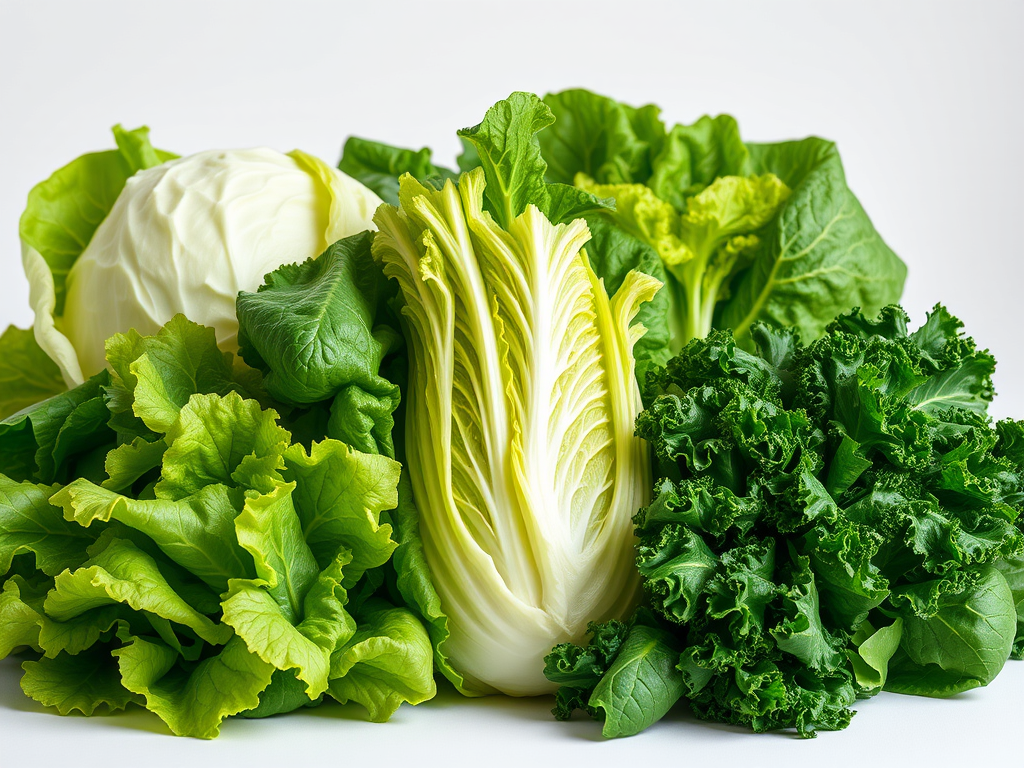
If you don’t like salads, chances are you don’t like the leaf you’ve chosen.
You’re probably eating those particular leafy greens because you’ve heard they are healthy. Or, if you’re in a restaurant, because they are trendy.
Or, you’ve been bullied by those holier-than-thou “nutritionists” on the internet, with all their “Eat this! Not that!”
Iceberg lettuce? You’d be better off drinking a glass of water!
Romaine lettuce? E. coli!
Spinach? Oxalates!
I believe if you have two healthy choices, it’s OK to pick either one. Not everything you eat has to have the utmost nutritional value – you will, hopefully, be eating more foods in a day than just a salad. And it’s always better to eat greens than to NOT eat greens.
Lettuce Be Honest… Iceberg Rocks
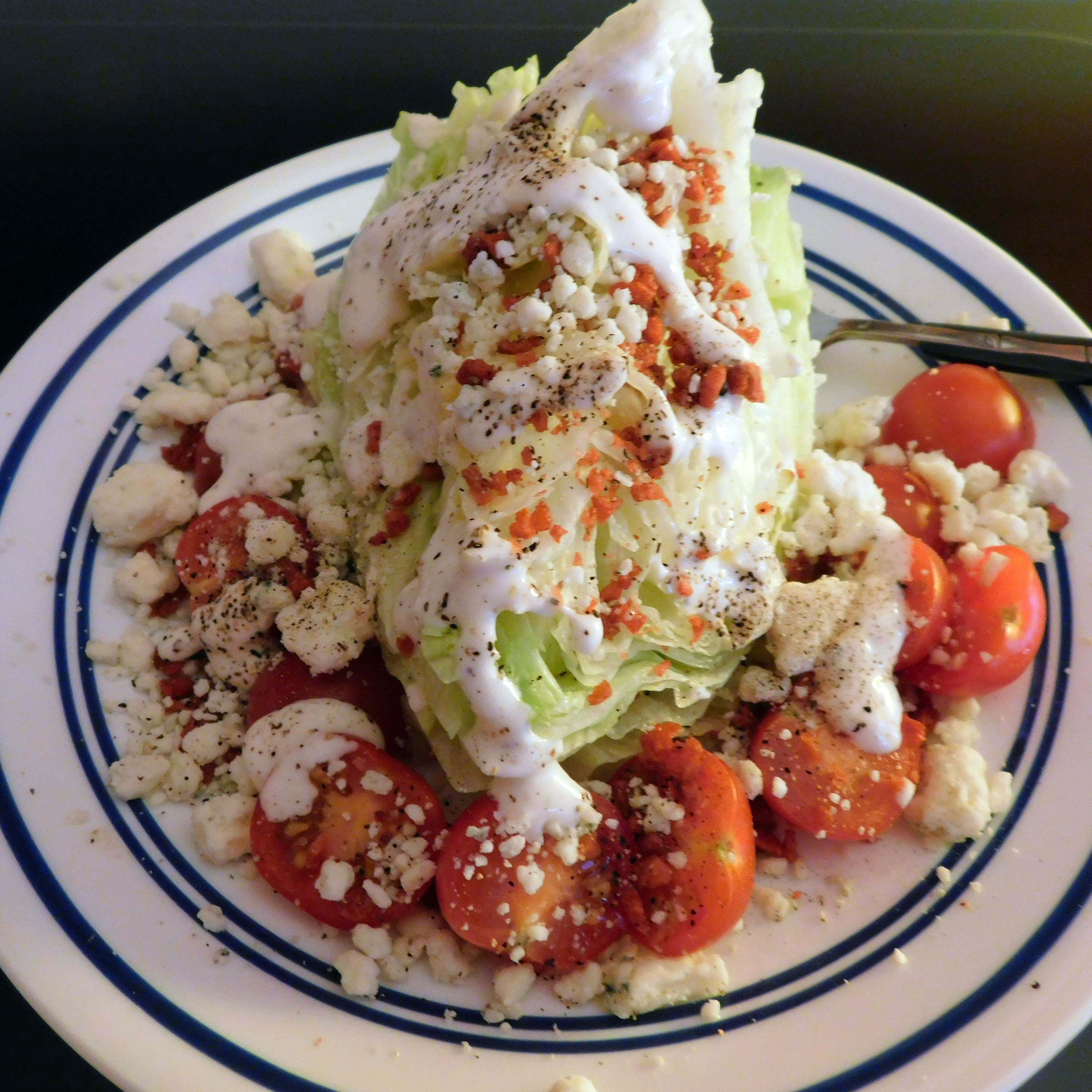
Iceberg lettuce has a mild flavor – more sweet than bitter – and a cool crunch that makes it appealing for children and other picky eaters. The crispy texture is also appreciated by those who have texture issues with their food.
It’s easy to digest, unlike many greens. (Yep, talking about you, Kale!)
At 95% water, it is very hydrating.
It’s inexpensive, widely available, and stays crisp a long time in the fridge.
The sturdy leaves make it perfect for a taco salad. Or a “garden salad” or “chopped salad”. Just load the leaves up with vegetables such as carrots, celery, bell peppers, cucumbers, and tomatoes. Those veggies will add a lot of nutritional value!
Since the leaves won’t get soggy, it’s ideal for thick salad dressings (think of a wedge salad with blue cheese dressing). And the leaves stay crisp and crunchy tucked inside sandwiches and burgers.
It’s a good source of Vitamin K and also has folate.
Feeling adventurous? Branch out with other lettuces in the Asteraceae family: romaine, red and green leaf lettuce, butterhead lettuce (including Bibb and Boston), Batavian lettuce, and Little Gems (a type of very small butterhead lettuce).
You’ll probably want to avoid strongly flavored, tougher green leafies like kale, endive, escarole, and arugula (rocket), as well as very soft leafies like spinach or dandelion greens.
Romaine Calm And Eat Your Salad

Romaine, sometimes known as iceberg’s more nutritious big brother, also has a mild flavor and pleasing crunch (though not as crispy).
Romaine is nutrient-dense for its calorie count, offering vitamins A, K, and folate while remaining crisp and crunchy in salads, wraps, and sandwiches. You can also use a leaf as an elegant “plate” for tempeh chicken salad or tofu “egg” salad.
But there are those who say you should boycott romaine as this unassuming green leafy is constantly recalled for e. coli. Why?
- Proximity to livestock lots and irrigation water contaminated by manure.
- A unique wrinkly, bubbly texture that is harder to clean.
- Industrial processing involving multiple machines and equipment, as well as recycled wash water. One contaminated head can contaminate multiple pieces of processing equipment and lead to massive recalls.
- Popularity – people and restaurants simply purchase more romaine than other types of greens.
That doesn’t mean you have to give up romaine! If you like it:
- Buy whole heads of romaine, rather than pre-cut greens.
- Choose hydroponically or greenhouse-grown greens as opposed to those grown in fields.
- Wash your romaine thoroughly before eating.
- Keep track of recalls, especially if you buy bagged, pre-cut lettuce.
The above tips are a good idea for any type of greens.
Spinach – The Original Superpower
Spinach is such a nutritional powerhouse, I’m amazed it gets slammed. It’s a great source of Vitamin A, C, K, folate, iron, calcium, magnesium, and potassium.
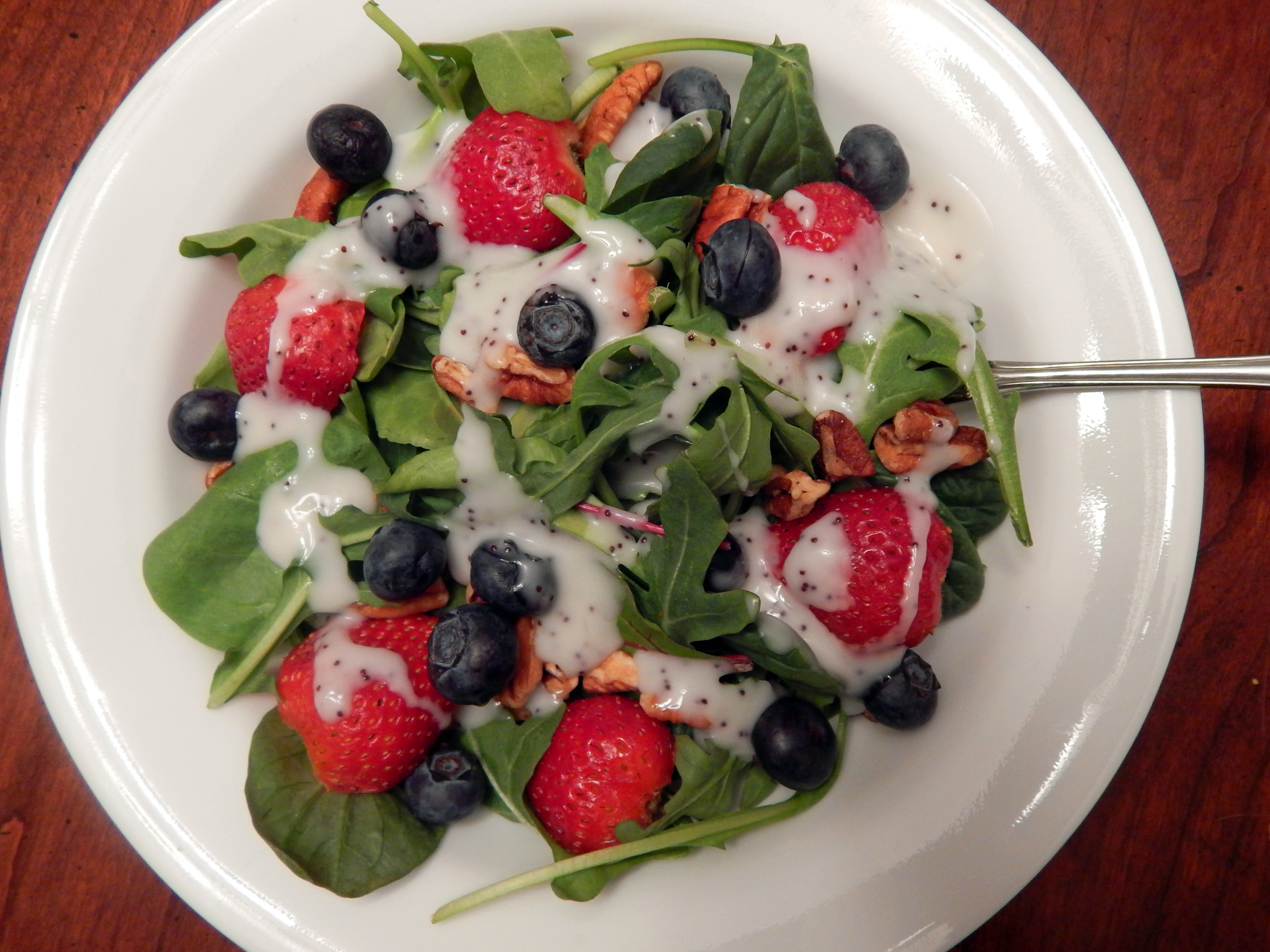
It’s perfect for strawberry salads – or combined with any other fruit.
It’s versatile. Its mild taste and soft stems make it perfect for many recipes. Think spinach dip, spinach quiche, creamed spinach, vegetable lasagnas, palak paneer – and of course, green smoothies.
Recently spinach has received a lot of attention for having oxalates, which should be avoided by those with kidney issues. (If that’s you, your doctor will have told you this.) Keep in mind oxalates do not cause kidney problems; they are only an issue if you already have kidney problems.
Oxalates also block some iron absorption. Your body will still absorb lots of iron from spinach.
Spinach’s high Vitamin K content (483% DVA) aids in blood clotting, which means it should be avoided or eaten only in small amounts by those on blood thinners (such as coumadin). If you’re not on blood thinners, you don’t have to worry.
Interested in mixing it up? Try half spinach and half baby greens, as I did in the strawberry salad above. Or try baby kale or Swiss chard.
Kale – Because Suffering Builds Character

I’m convinced that nobody actually likes kale, they just like telling you they like kale. IMHO, the best way to enjoy kale is to walk it straight to the compost bin.
What? You say you really do like kale? And you’re saying that with a straight face? Funny, you don’t look insane! I mean – Good for you! I’m guessing you have no problem at all eating lots of green leafies!
Kale is one super healthy green, the one the internet raves about, the one all vegans are supposed to love – despite its tough texture, bitter taste, and prep time. (It needs to be “massaged”.)
Per calorie, kale has more iron than beef, more calcium than milk, and more vitamin C than spinach. It’s also high in vitamin K, vitamin A, and potassium, and a strong source of lutein (great for your eyes).
Should you desire variety in your salads, look for other strongly flavored greens – such as zesty arugula or “rocket”, peppery watercress, earthy beet greens, or bitter dandelion greens. And don’t forget baby kale, which tastes like – well, kale – but is less better and more gentle to chew than adult kale.
If you use kale in your cooking and want to mix it up, try collard greens, mustard greens, turnip greens, or Swiss chard instead.
Tip: If cooking with kale, use only fresh kale. I haven’t found a package of frozen kale yet that wasn’t full of tough stems and veins.
Turning Over A New Leaf

If you’re new to eating leafy greens, start with the greens you like best.
Remember, it’s always better to eat some greens than no greens at all – and life is too short to eat food you hate!
As you get into the salad habit, analyze what you like about your chosen green. The crunch, or lack of crunch? Mild flavor or more assertive flavor?
When you’re ready, try another similar green. Ideally, you should find several greens to put in your salad rotation. (Rotating your greens means you’ll get a bigger variety of vitamins and minerals.) Some people will find many greens they like; some people may find only two or three. And that’s ok! If you think you don’t like green leafies, finding just a couple you like (or can tolerate) is a major achievement for your health!
What are your favorite greens for salads? Are you more “Team Iceberg” or “Team Kale”? Or somewhere in between?




 VegCharlotte
Leave a comment