
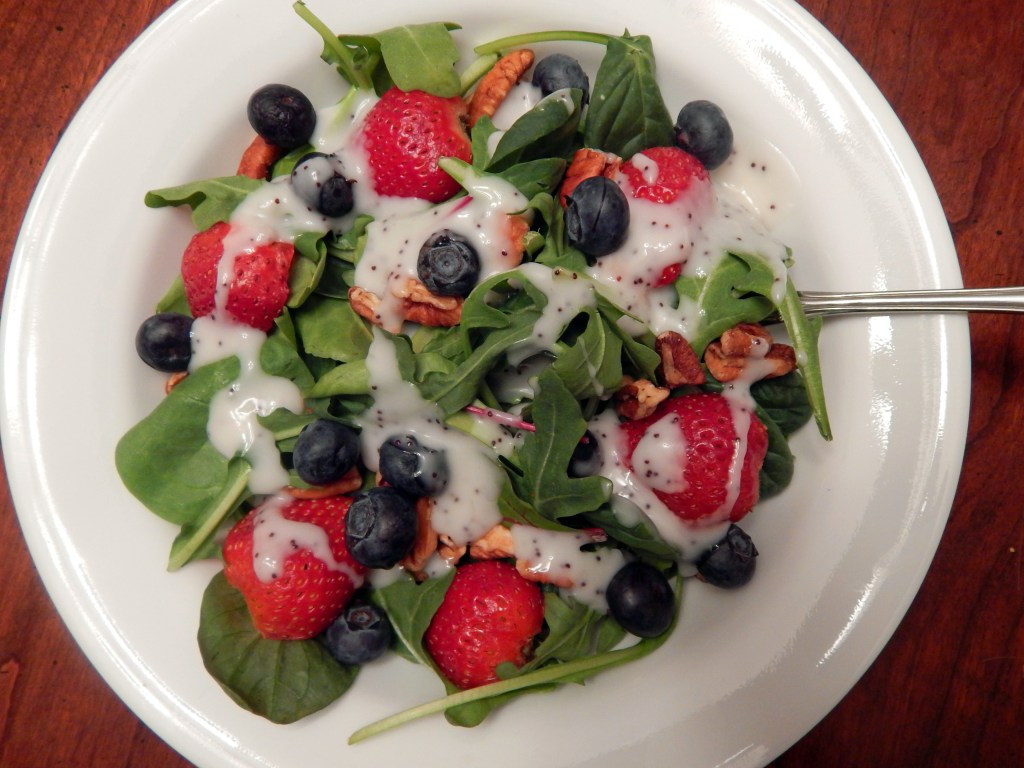
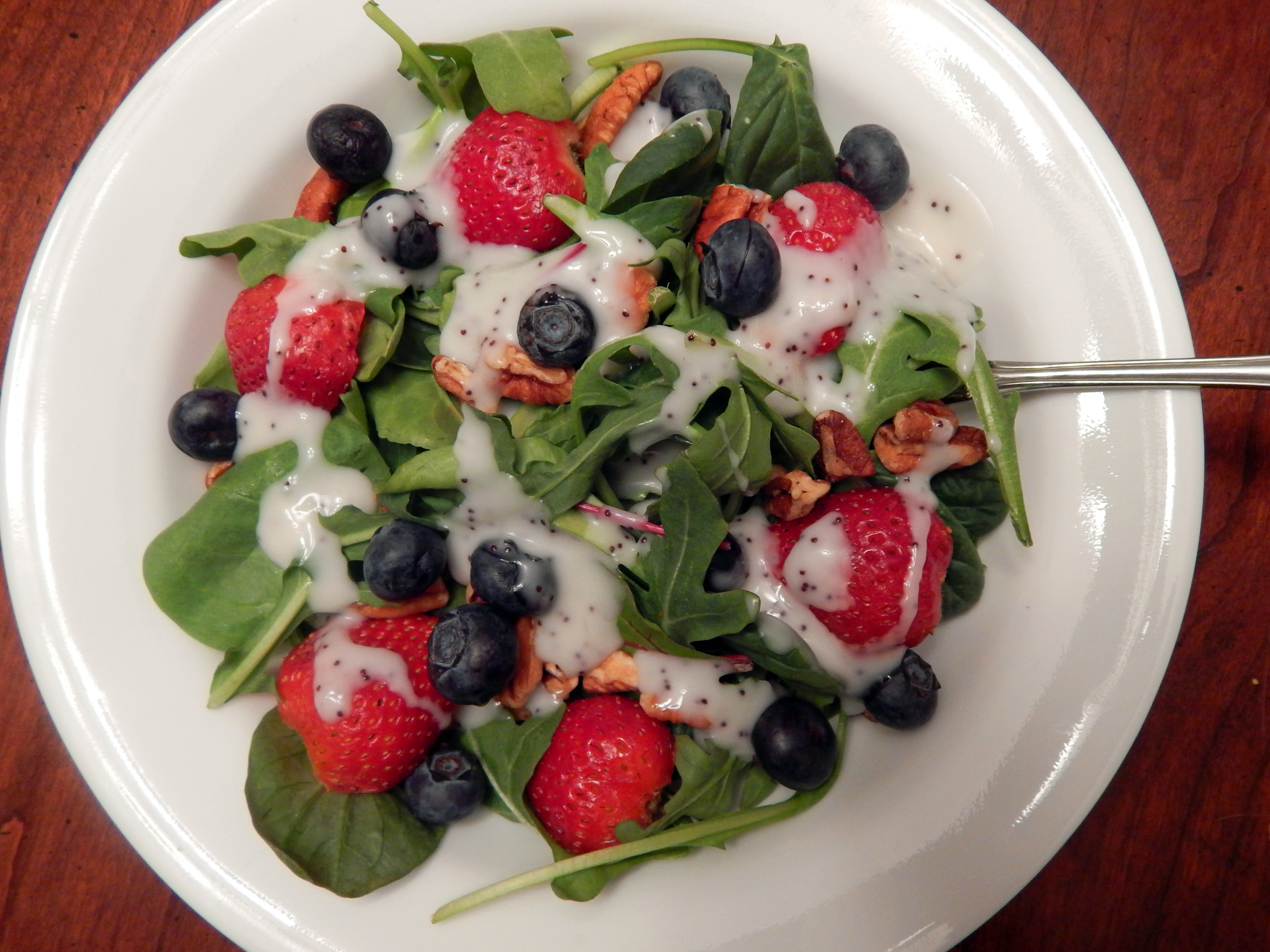
It’s getting close to Halloween, so let’s talk about something green and scary.
Specifically, let’s talk about salads – and salad dressings – throughout the years.
Victory Garden Salads
During World War I and World War II, people grew Victory Gardens and traded vegetables with their neighbors. Iceberg lettuce, along with carrots, tomatoes, homemade salad dressing, and maybe a radish, made a welcome side dish and helped bulk out many a meal at a time foods were rationed. Fruit salads were also popular (many people grew their own berries and had apple trees). Salads weren’t considered diet or weight-loss foods, or for women only. It was just fresh, healthy food people were thankful for.
Salad – A Woman’s Faithful Diet Buddy
By the late 60s and 70s, thin was in!
Women’s magazines showcased a different super-thin model on the cover each month. Inside were the latest diet plans (grapefruit, anyone?) and “10 Ways To Dress Thinner!”
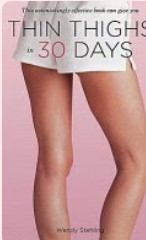
A best selling booklet was published – Thin Thighs in 30 Days – which became an instant bestseller. It seemed every white female over the age of nine was obsessed with thin thighs – without any bulky, unsightly muscle, of course! (The author herself disparagingly wrote how she used to have “athletic legs.”) Interestingly, men were not obsessed about obtaining Six Pack Abs in Six Weeks.

And salads were pushed as the ultimate diet food. Until the early ’80s, many restaurants offered a “diet plate” for women. Often, it was listed under a special section of the menu called, “For The Ladies”. (Just to make sure no one was confused over which sex should be dieting!) Typically, these diet plates consisted of a sad salad – sometimes no more than a few slices of cucumber on a bed of lettuce – and a small scoop of cottage cheese. A super deluxe diet plate might also include a 4 oz. or less portion of “chopped steak.” Beverages included cancer-causing TAB sodas or yummy unsweetened iced tea.
It’s no wonder men lost interest in salads during this time. What self respecting he-man wanted to eat food marketed to “fat” women? Even the menus implied it was perfectly fine for him to eat hamburgers, steaks, and baked potatoes – and skip the “salad” and veggies.
Fat Makes You Fat

In the 80’s there was a different fat phobia. A fear of dietary fat. “Fat makes you fat!” This wasn’t completely wrong – fat has more calories per gram than carbs or protein. So, theoretically, if you eat less fat you’ll eat less calories. In practice, that means swapping mustard for mayo, or leaving cheese off a sandwich.
But that was not the way our moms rolled in the 80s. We had fat free peanut butter, fat free Snackwell cookies, and fat free salad dressings. Fat free EVERYTHING! The kicker was, the fat in these no-fat or low-fat items had been replaced … with extra sugar!
It was around that time salad dressings began getting a bad rap. If you didn’t want a low or no fat salad dressing loaded with sugar, your other options were: Homemade salad dressings made with Sweet N Low (saccharin), oil and vinegar salad dressing minus the oil – i.e., just a splash of vinegar, or a squeeze of lemon juice. Yum!!!
Fun fact: A little fat in your salad dressing helps your body absorb fat-soluble vitamins like A, E, and K, as well as carotenoids (like beta-carotene in carrots or lycopene in tomatoes.
Eat This, Not That
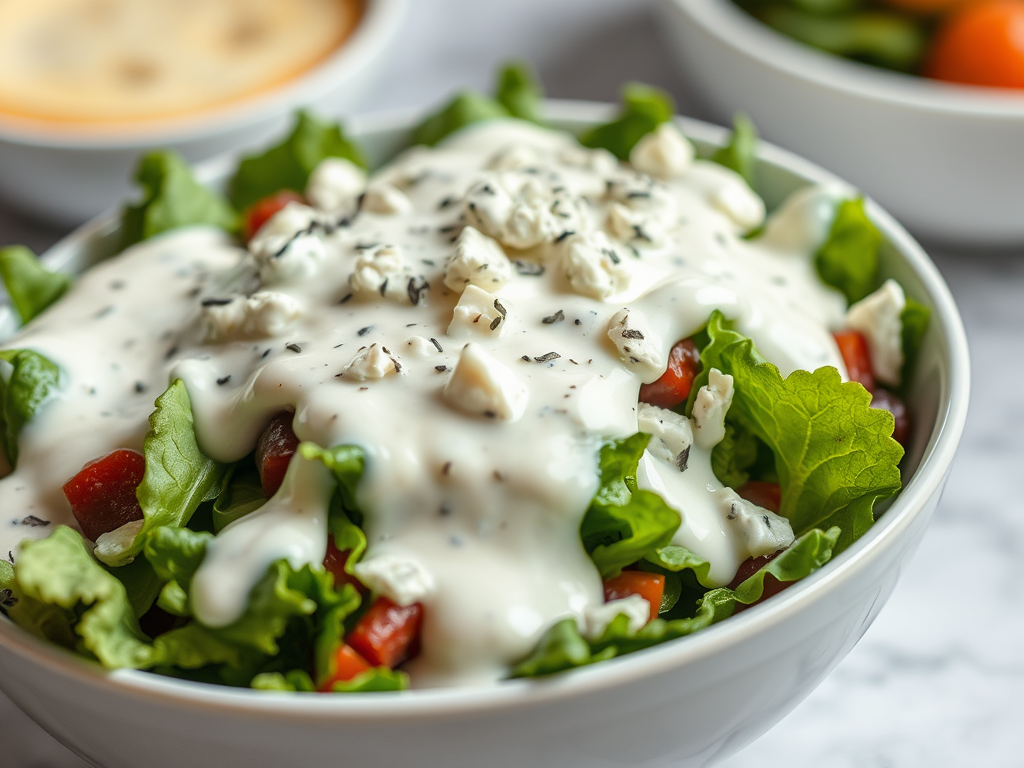
Around 2007, the Eat This, Not That franchise started. These books strove to consider more than calories (additives, preservatives, fat, sugar, salt). Less careful copycats soon abounded, with “experts” dispensing ridiculous wisdom in order to sell more magazines or get more TV or internet views.
One common claim was how “unhealthy” salads are.
“You may THINK this salad is healthy – but it has over 3,000 calories!” the experts screamed. “IT’S BECAUSE OF THE SALAD DRESSING!”
“Ooooh,” the audience ooohed, while Oprah made concerned faces and shook her head sorrowfully.
If you looked closely, though, you’d also see the salad had “real” bacon bits, a cup of potato salad, a cup of pasta salad, cheese cubes, croutons – in addition to what appeared to be almost an entire bottle of salad dressing, as opposed to the standard serving size of two tablespoons.
I don’t normally use a whole bottle of salad dressing on a single salad – do you?
And is it possible that maybe – just maybe – some of those calories came from the pasta salads, cheese, bacon, and oily bread cubes?
Which brings us to
The Fork Dip Method
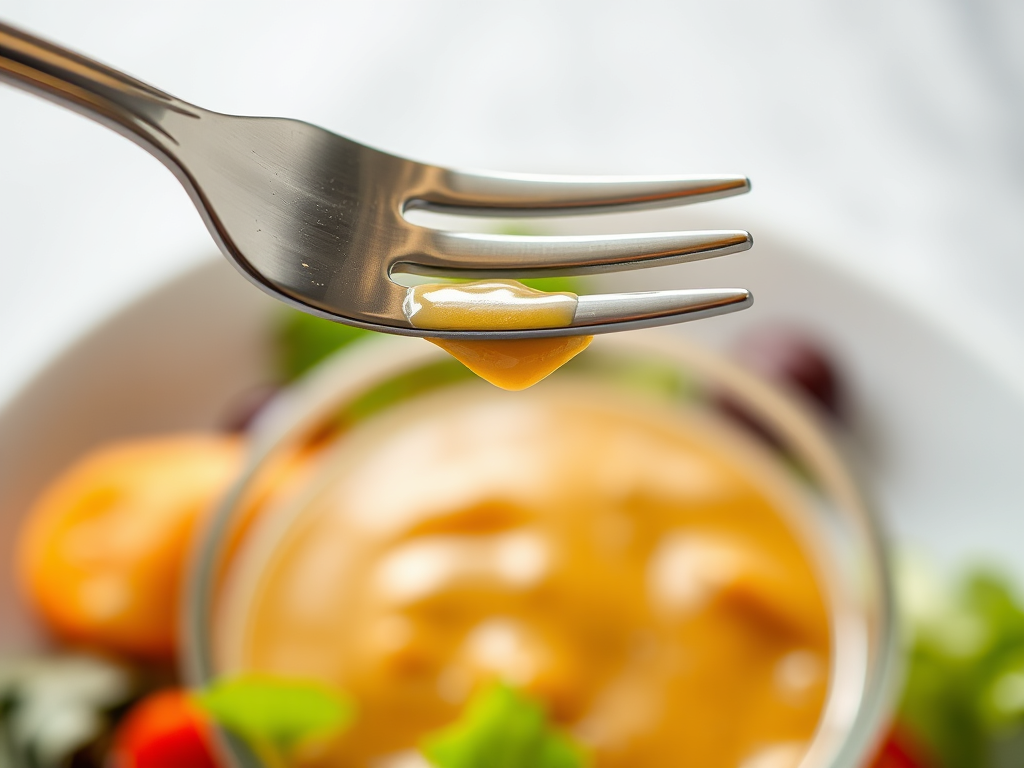
Ahh, the Fork Dip method. Originally popularized by Weight Watchers, it’s now having a revival on social media. It goes like this:
- Order your salad dressing on the side.
- Dip the tines of your fork into the salad dressing, shake off the excess, and then dip your fork into the salad. You get all the taste of the salad dressing with a fraction of the fat and calories.
NO YOU DON’T! You get ZERO taste of salad dressing! And for many of us, salad dressing is what makes it possible to eat salads.
Some comments from my VegCharlotte team:
“If I can’t have my ranch dressing, I know I’m not going to eat it.”
“For me, it’s either eating a bowl of healthy nutritious vegetables and my favorite dressing, or picking up a burger combo at Romeo’s Vegan Burgers.”
“Kale needs all the help it can get!”
Let’s Look At Calories

First, a serving of salad dressing is considered two tablespoons, or 1/8 cup. That’s about the amount restaurants serve you when you order your dressing on the side.
A typical creamy bottled vegan dressing, such as Follow Your Heart’s Ranch or Blue Cheese, has 130 calories per 2 tablespoon serving. Their Thousand Island has 90 calories per 2 tablespoon serving. A bottle of Italian dressing in my fridge has only 60 calories per 2 tablespoon serving.
Two cups of mixed greens, a small cucumber, 3 mini bell peppers, five chopped baby carrots, and six cherry tomatoes clock in around 100 calories. Let’s add 1/4 cup of chickpeas and the salad still clocks in at under 200 calories.
You’re only eating 200 calories for lunch and some fool says you can’t have another 60 – 130 calories?
Eff that.
Important Takeaways
- Stop considering salad a “diet food” or a “for women only” food.
- Consider salads as something incredibly healthy that will make your body happy. (Well, maybe not happy while you’re eating it, but happy it’s getting all those vitamins!) Think about increased energy and glowing skin.
- Salad dressing is absolutely worth it if it gets you to eat your greens.
- Most store bought salad dressings are bad. Really bad. Forget about fat or sugar or chemicals, the taste is bleggh. Sure, they help mask the taste of the leafy greens, but otherwise don’t improve the salad.
- The better tasting, better-for-you salad dressings tend to be more expensive. Shell out the moolah – It’s worth it.
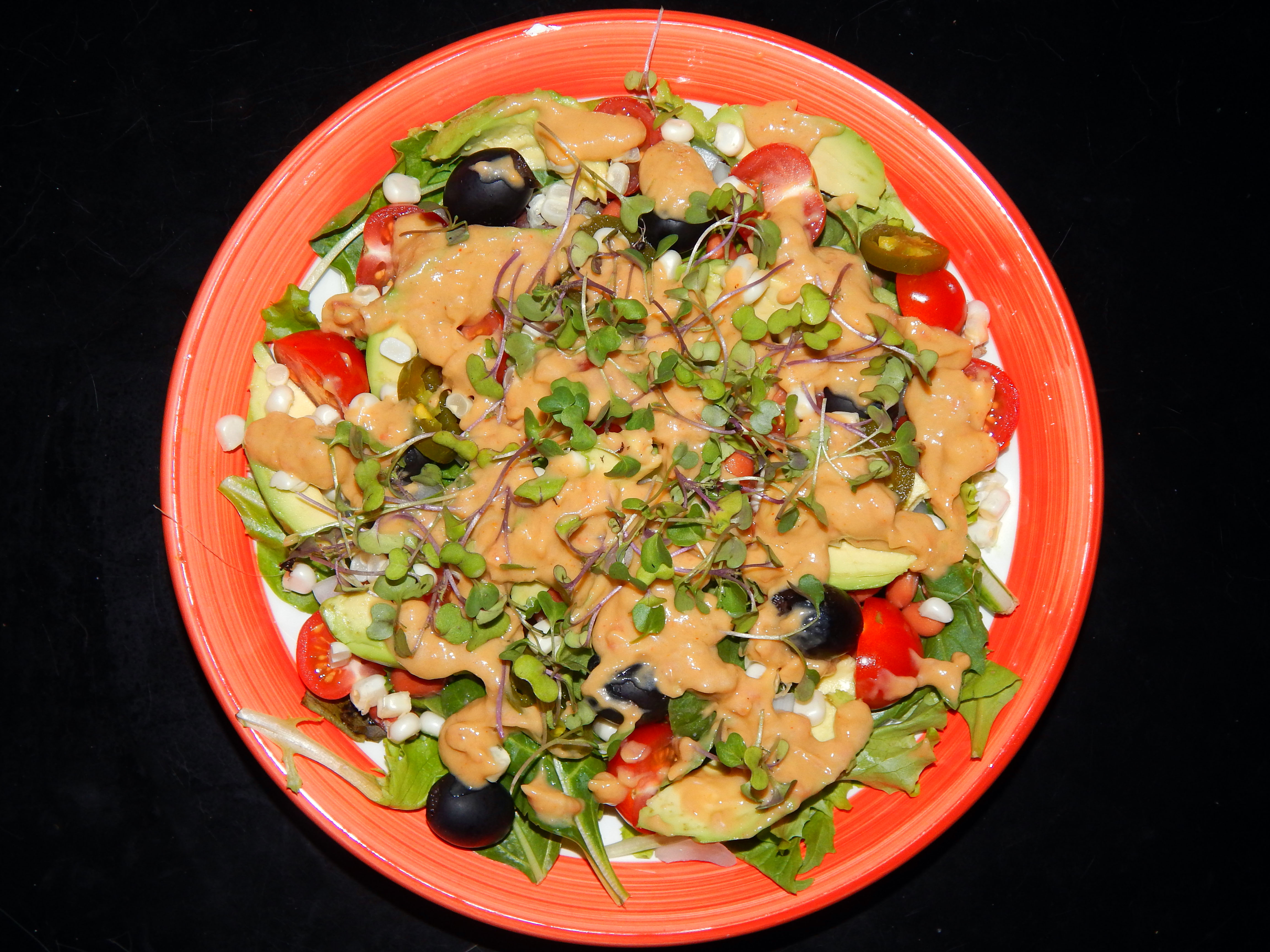
- Best of all, consider making your own salad dressing. Most recipes are cheap and simple. We’ll go into this more later, but here is my favorite salad dressing creation, made with half a small avocado.
Catherine’s Amazing Salad Dressing (Makes 2 Servings)
1/2 Avocado
1 Roma Tomato
Juice from 1/2 Small Lemon or Lime
1 Clove Garlic
1/2 Teaspoon Cumin
1/8 – 1/4+ Teaspoon Cayenne Pepper
Water, as needed
1/4 Teaspoon Salt, or to taste
Combine all ingredients in a food processor or blender and blend. Add water, a tablespoon at a time, until you get your desired consistency. Taste, do you need more salt, cayenne, or lemon/lime juice? Serve immediately.

This salad looks good before – especially with all the “veggie candy” I used.
But take a look at how yummy it looks after! It looks like a lot of dressing, but it was only 1/4 an avocado, which I would have eaten anyway as part of this giant meal salad.
We’ll discuss more about making your own salad dressings later.
Your homework assignment is to eat a big bowl of salad with your favorite dressing. Try to keep the dressing around 2 tablespoons. (Although if you use 3 tablespoons, it’s not the end of the world – or the end of your thighs.)
Anyone caught using “The Fork Dip” method automatically fails.
Class dismissed.



 VegCharlotte
Leave a comment